Sugaring Basics
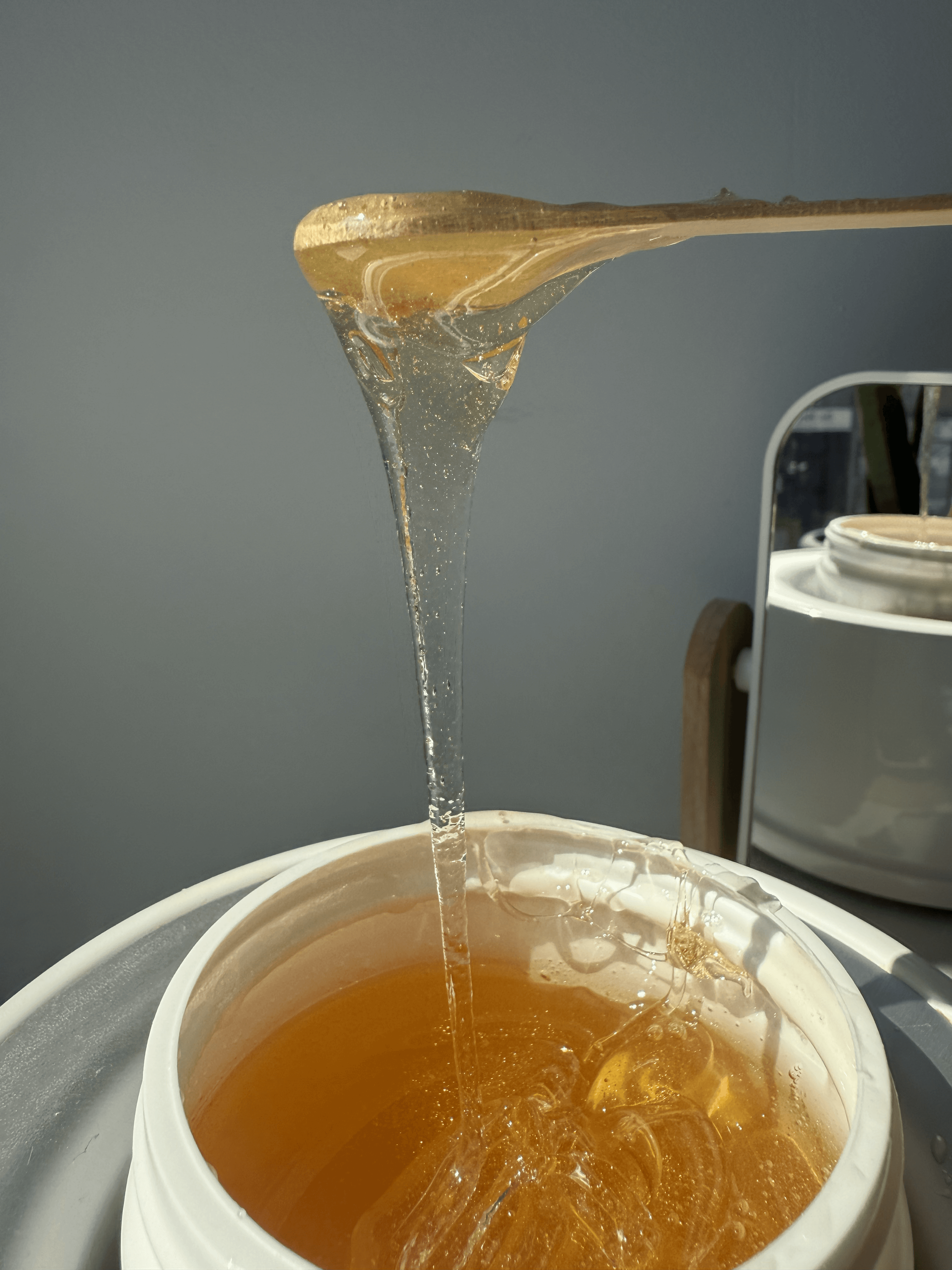
Sugaring is the most gentle way to remove unwanted body hair. This natural, time-tested method has made a modern comeback for people seeking exfoliated, healthy skin, especially those with sensitivity concerns. A sugar paste created from sugar, lemon, and water is used to pull hair from the root, leading to slower regrowth over time.
Sugaring Origin
Sugaring has ancient roots dating back to Egypt and the Middle East, where early beauty rituals included using a simple paste of sugar, lemon juice, and water to remove hair. Cleopatra herself was said to be a fan of this sweet treatment. The all-natural formula and gentle technique have allowed sugaring to endure for centuries as both effective and skin-friendly.
Understanding your Hair & Skin
Understanding your hair, the hair growth stages, and your skin type is not only interesting, but it can help show why sugaring is a great hair removal method.
Hair Growth Stages
Hair grows in 3 stages: Anagen, Catagen, and Telogen.
- Anagen: The active growth phase, when new hair is produced and activity is highest in the hair bulb.
- Catagen: The transitional phase, when the follicle starts to weaken as a new hair bulb forms beneath it.
- Telogen: The final resting phase, when hair is no longer growing and is preparing to shed.
The best time to sugar is during anagen because the hair is actively growing and still attached to blood supply. Removing the entire hair from the follicle can delay regrowth and support finer hair over time.
What Hair Can and Can't be Sugared?
Almost all hair can be treated with sugaring because most body hair is terminal hair. There are two categories that should not be sugared.
- Vellus hair: very fine peach fuzz can be too light for the sugar paste to grip effectively.
- Very coarse and deeply rooted beard hair: follicles are dense and deeply rooted, which can make sugaring in these areas too painful and irritating.
What is my Skin Type?
Your skin type is influenced by genetics and oil production. Knowing your skin helps us tailor your sugaring service and aftercare.
- Dry skin produces very little oil and needs extra hydration after sugaring.
- Normal skin has a healthy balance of oil and water and usually responds well.
- Combination skin can have both oily and dry zones and benefits from targeted aftercare.
- Oily skin produces excess sebum and may need balanced hydration and gentle cleansing.
What is a Hair Follicle?
A hair follicle is a structure in the skin that grows hair. Follicles are angled and can grow in different directions, which is why technique and section-based application matter.
Our Hand Method?
Our estheticians assess your hair growth pattern first, then apply and remove sugar in small, controlled sections following natural direction. This reduces irritation and lowers ingrown risk while keeping pricing and timing fair by body area.
Who is Sugaring For?
Sugaring suits nearly everyone. The water-based paste is applied at lukewarm temperature, making it a gentle choice for many skin and hair types.
- Sensitive skin types that need a gentle, low-irritation method.
- People prone to ingrown hairs who benefit from light exfoliation.
- Clients looking for natural, cruelty-free, and eco-conscious beauty practices.
Benefits of Sugaring
There are many reasons clients choose sugaring. Here are the core benefits.
Uses 100% natural ingredients and is safe for most skin sensitivities.
Often less painful than waxing because it does not pull live skin.
Exfoliates naturally, revealing softer and brighter skin.
Supports finer, lighter regrowth with consistent appointments.
Can help minimize irritation and inflammation with proper technique.